Podcast

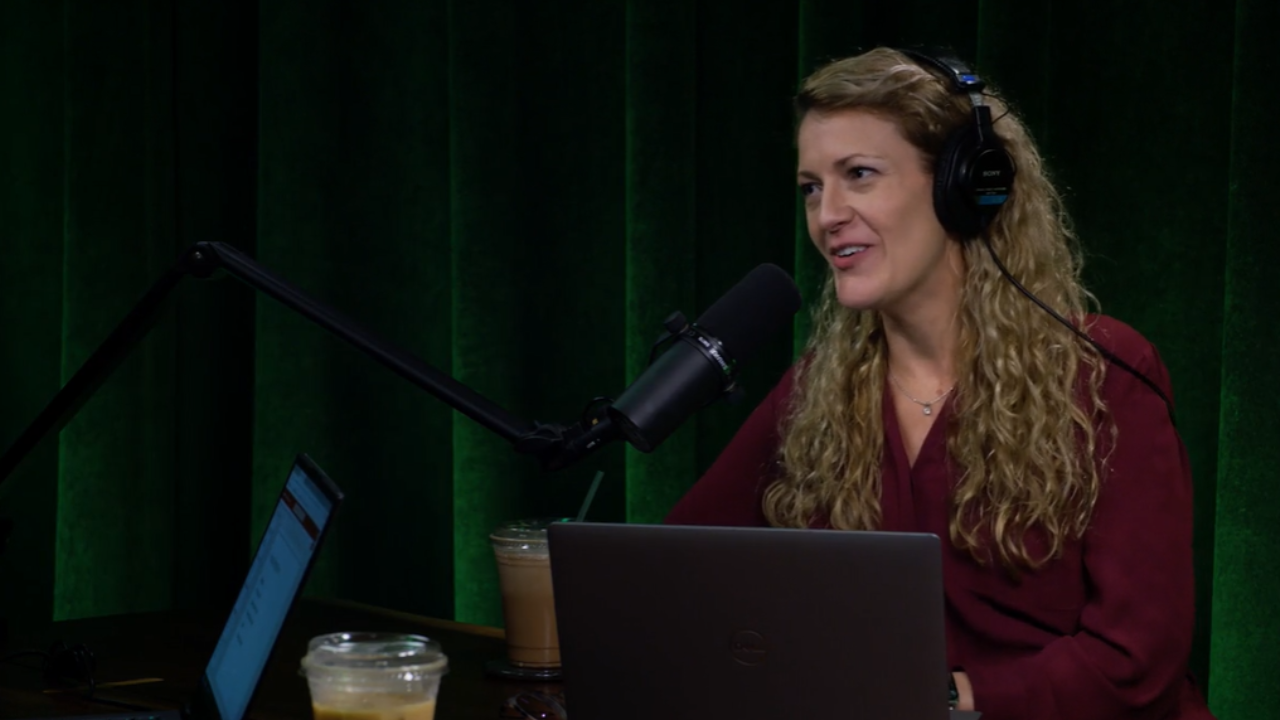
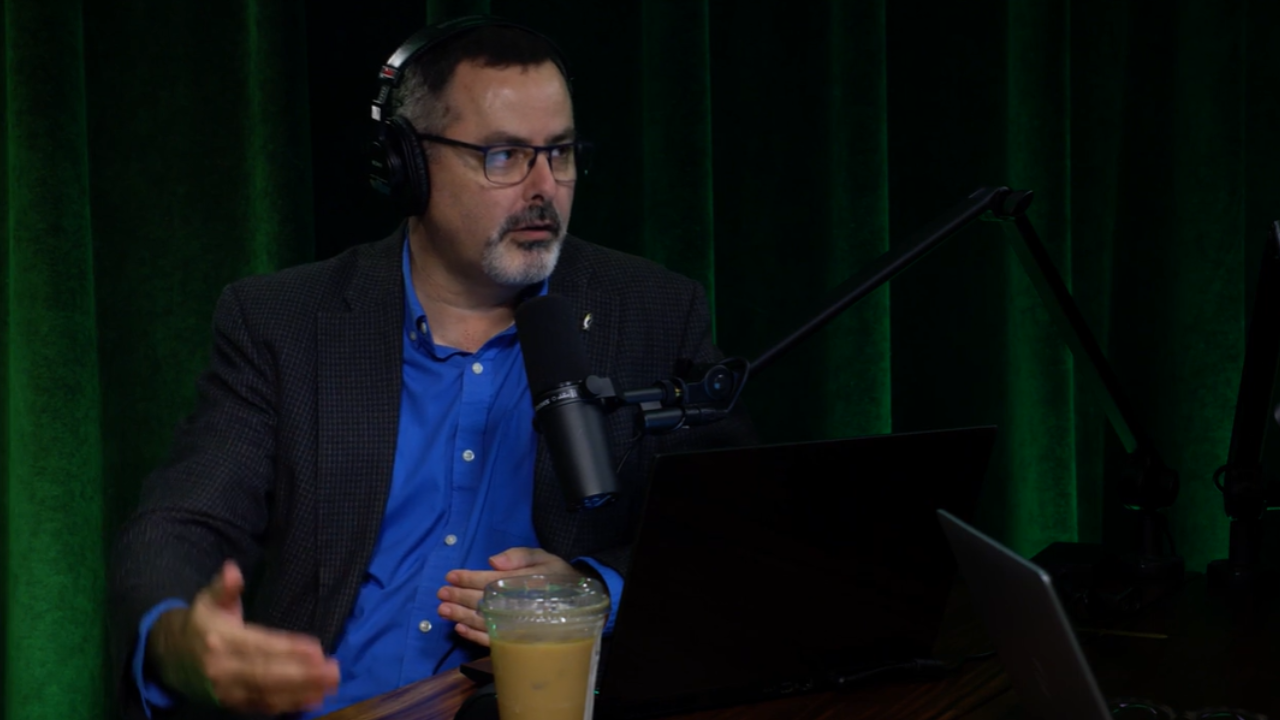
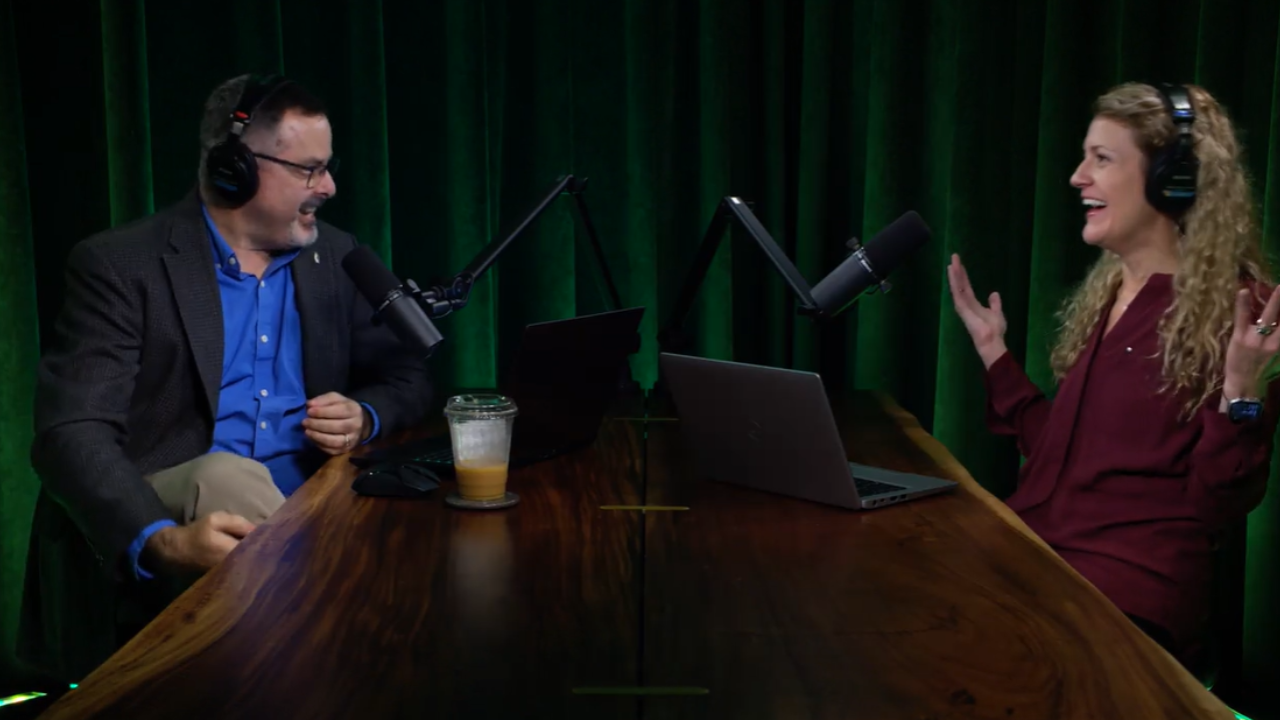
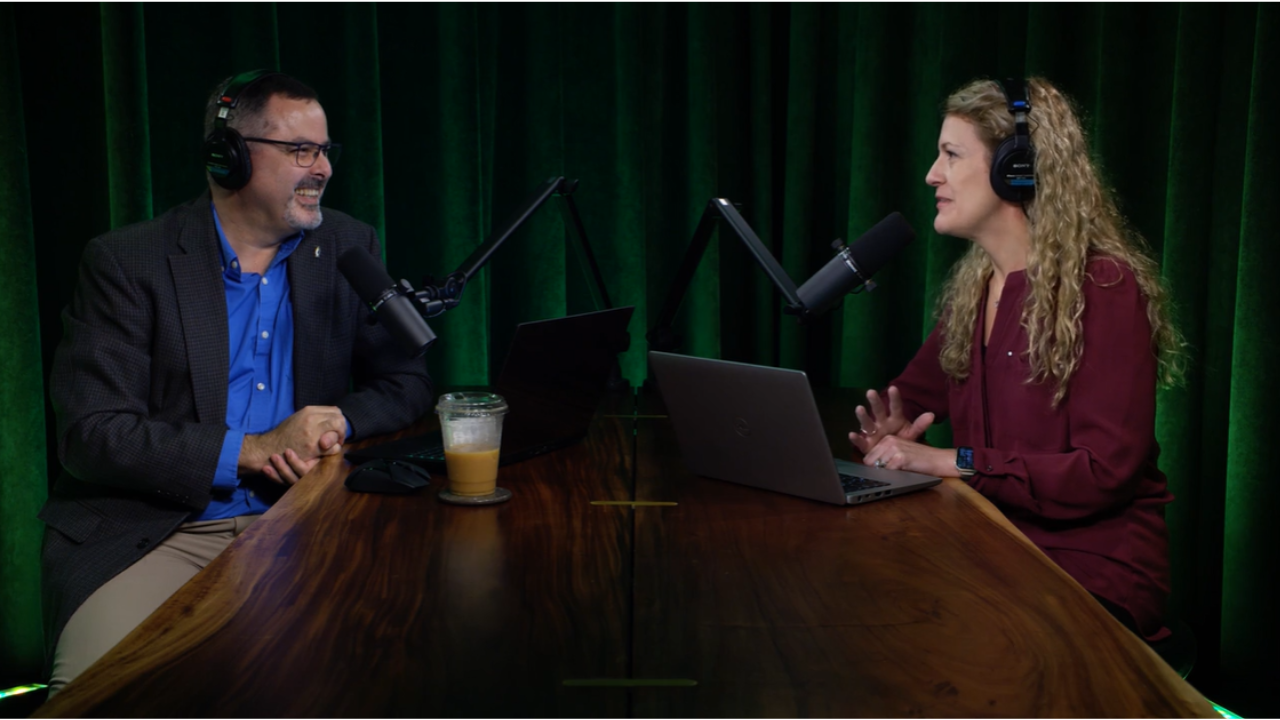
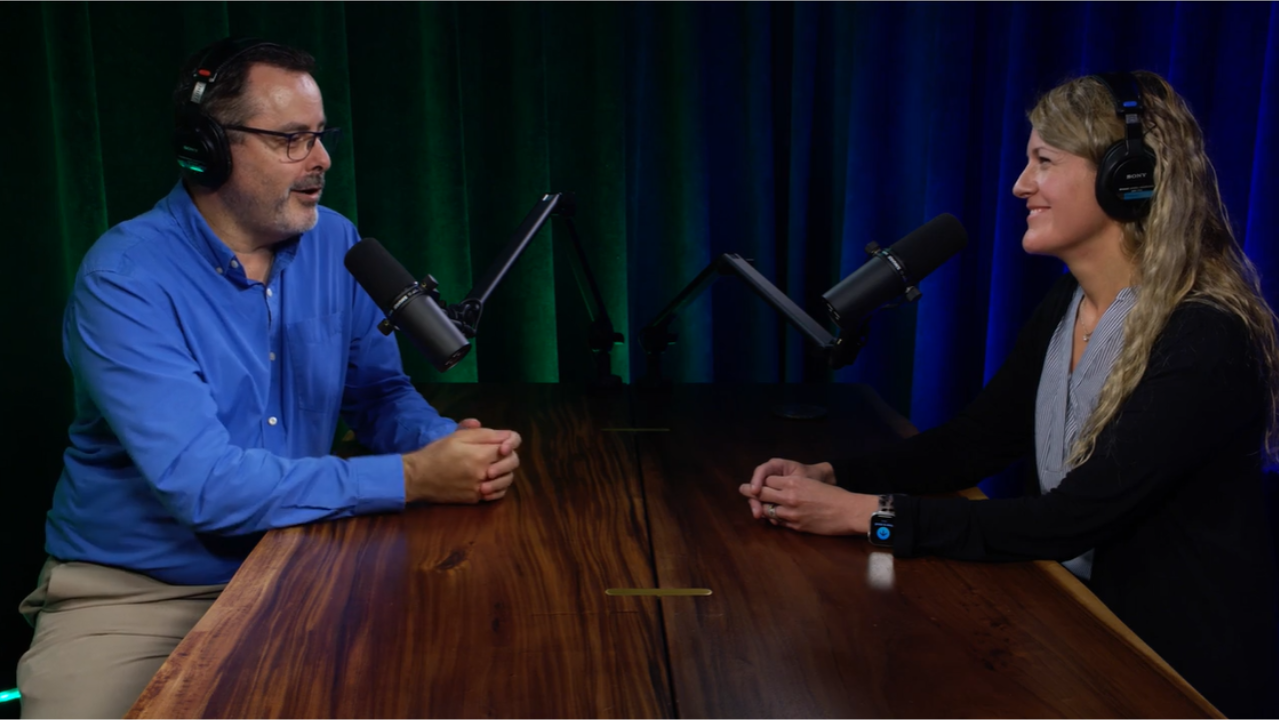
Finding Your Balance: A Mental Health Podcast features PRC’s Director of Crisis Response Kirk Fasshauer, and Director of Children’s Services Tiffani Fritzsche. The 20-minute episodes explore topics such as the difference between mental health and mental illness, support for those experiencing mental health challenges, and identifying when someone may need additional mental health support.

24/7 Local Crisis Phone Line: 863.519.3744

24/7 Local Crisis Text Line: Text “TALK” to 863.204.3443

24/7 National Crisis Line: 988

If you are in immediate danger, call 911.

Now streaming!

Stream now on your favorite platform using the buttons below.

Season 2, Episode 8: Myths and Facts About the Florida Baker Act

In this episode of Finding Your Balance: A Mental Health Podcast, Tiffani Fritzsche and Kirk Fasshauer break down common misconceptions surrounding the Baker Act and provide clarity on what this mental health law really means. From understanding when the Baker Act is used and who can initiate it to addressing common fears, stigma, and misinformation, this conversation offers an honest look at one of the most misunderstood areas of mental health care.

Whether you’re supporting a loved one in crisis, navigating concerns about mental health intervention, or simply wanting to better understand the facts, this episode provides education, insight, and practical understanding to help you approach these conversations with greater confidence and compassion.

Season 2, Episode 7: Becoming a Therapist

In this episode of Finding Your Balance, Tiffani Fritzsche and Kirk Fasshauer pull back the curtain on the journey to becoming a therapist. From choosing a degree path and gaining hands-on experience to navigating internships, supervision, licensure, and lifelong learning, they share their personal stories and professional insights about building a career in mental health.

Whether you’re a student exploring career options, considering a change in profession, or simply curious about what it takes to become a counselor, social worker, or therapist, this episode offers encouragement, practical guidance, and a behind-the-scenes look at the people who dedicate their lives to helping others find balance.

Season 2, Episode 6: Finding the Right Fit in the Therapeutic Relationship

In this episode of Finding Your Balance, Tiffani Fritzsche and Kirk Fasshauer continue the conversation about getting started with therapy by exploring what happens after the first sessions. From finding the right therapist and building trust to understanding why therapy can feel uncomfortable before it feels healing, this episode offers a realistic and encouraging look at the therapeutic process.

Together, they discuss how therapy helps build resilience, strengthen coping skills, and create lasting emotional growth through honesty, self-awareness, and practice. Whether you’re beginning therapy for the first time or returning during a new season of life, this episode reminds listeners that healing is a journey—not a quick fix—and that growth often happens one small step at a time.

Season 2, Episode 5: Myths and Facts of Therapy

In this episode of Finding Your Balance, Tiffani Fritzsche and Kirk Fasshauer explore what therapy really is—and what it isn’t. From understanding the first appointment and finding the right therapist to breaking down common myths and fears, this conversation offers a compassionate look at the therapy process.

Together, they discuss how therapy creates a safe, judgment-free space for healing, growth, and self-discovery, and share practical tips for getting started, preparing for sessions, and making the most of the experience. Whether you’re considering therapy for the first time or supporting someone else on their journey, this episode provides encouragement, insight, and reassurance that you don’t have to navigate life’s challenges alone.

Season 2, Episode 4: Strengthen Your Resiliency

In this episode of Finding Your Balance, Tiffani Fritzsche and Kirk Fasshauer shift the conversation from risk factors to protective factors—the strengths, habits, and supports that help build resilience and improve mental well-being.

From strong social connections and a sense of purpose to physical wellness and creating supportive environments, this episode explores both the factors we may already have and the ones we can intentionally develop. Whether you’re looking to strengthen your own mental health or support someone else, this episode offers encouragement, insight, and actionable steps to help you find your balance.

Season 2, Episode 3: Breaking the Stigma of Suicide (Part 2 of 2)

In this next episode of Finding Your Balance, Tiffany Fritzsche and Kirk Fasshauer continue their discussion on suicide awareness, mental health, and depression, breaking down key warning signs, myths about suicide, and how to help someone in crisis.

They explore the difference between a bad day and clinical depression, the impact of emotional pain, isolation, and life transitions, and how social media and modern stressors affect teens and adults alike. This episode also highlights why people struggling with suicidal thoughts often feel like a burden—and how connection can be lifesaving.

Season 2, Episode 2: Breaking the Stigma of Suicide (Part 1 of 2)

In this first episode of a two-part series on Finding Your Balance, hosts Tiffani Fritzsche and Kirk Fasshauer begin a compassionate and honest conversation about suicide awareness and prevention. They explore the growing impact of suicide in communities, break down common myths that keep people from speaking up, and emphasize the importance of using thoughtful, nonjudgmental language. The episode also sheds light on the often unseen emotional pain behind suicidal thoughts, the role of connection and belonging, and why asking someone directly about their well-being can be a powerful first step. Listeners are encouraged to take care of themselves as they engage with this important topic and to continue the conversation in part two.

Season 2, Episode 1: How to Talk to Someone Who May Have a Mental Illness

In this episode of Finding Your Balance, hosts Tiffani Fritzsche and Kirk Fasshauer discuss how to start a supportive conversation with someone who may be struggling with their mental health. They explore why it can feel intimidating to speak up, practical ways to approach a friend or loved one with care, and simple communication tools like using “I” statements, open-ended questions, and active listening. The conversation emphasizes that you don’t have to have all the answers to help—sometimes the most powerful thing you can do is listen and create a safe space for someone to be heard.

Episode 9: Campus vs Commuter (Part 1 of 2)

The college experience may look differently for someone living on campus vs. someone living off-campus and commuting to classes. But the main thing to remember is you aren’t alone. Both types of students can find their sense of belonging and navigate the complexities of becoming more of an adult by following the advice offered by Kirk Fasshauer and Tiffani Fritzsche. In Episode 9, Part 2 of 2 of Finding Your Balance: A Mental Health Podcast presented by Peace River Center and Southeastern University, our hosts dive into their top five pieces of advice for those living on campus and off.

Episode 9: Campus vs Commuter (Part 1 of 2)

Whether you are a student living on campus or a student commuter, the stressors and lessons you learn contribute towards shaping the adult you will become. Both experiences have merit in allowing you to broaden your expectations of who you are, what you are capable of, and what activities and groups you want to bring into your life. In Episode 9, Part 1 of 2 of Finding Your Balance: A Mental Health Podcast presented by Peace River Center and Southeastern College, Kirk Fasshauer and Tiffani Fritzsche discuss their vastly different college experiences and how they influenced who they are today.

Episode 8: Anxiety Disorders (Part 2 of 2)

Reframing stressful situations can help reduce the anxious feelings in our bodies. By recognizing without judgment what we are struggling with mentally, we can process the experience in healthier ways.  In Episode 8, Part 2 of 2 of Finding Your Balance: A Mental Health Podcast presented by Peace River Center and Southeastern University, Kirk and Tiffani share their experiences with handling anxiety and offer tips to help de-escalate the mental imbalance it causes. 

Episode 8: Anxiety Disorders (Part 1 of 2)

Do you know the difference between stress and anxiety? Listening to and understanding your body may be a helpful indicator of whether you are experiencing stress or anxiety. Those clues will help you determine your next steps toward helping yourself through this challenging time. Tune into Episode 8, Part 1 of 2 of Finding Your Balance: A Mental Health Podcast presented by Peace River Center and Southeastern University to learn tools and tips from Kirk and Tiffani on alleviating stress and de-escalating anxiety.

Episode 7: Anxiety In Depth (Part 2 of 2)

Sometimes anxiety stems from a learned behavior or even from a lack of knowledge. In Episode 7, Part 2 of 2 of Finding Your Balance: A Mental Health Podcast, Kirk and Tiffani share how anxieties and phobias are conditions we can overcome with the proper tools, resources, and education.

Episode 7: Anxiety In Depth (Part 1 of 2)

In Episode 7, Part 1 of 2, Kirk and Tiffani explore a more in-depth look at anxiety from Episode 6 by discussing what our minds and bodies experience when we undergo stressful situations. From having brain fog to feeling aches and pains, anxiety shows up symptomatically sometimes before we realize we are experiencing a general anxiety disorder.

Episode 6: Anxiety

Having anxiety is a very normal response that can help you stay focused and prepared for what is to come. But when anxiety starts to hinder our ability to thrive, how can we help ourselves? In Episode 6 of Finding Your Balance: A Mental Health Podcast presented by Peace River Center and Southeastern University, Kirk and Tiffani share tips on how to break the negative spiral of anxiety and instead use it to help you prepare for life’s challenges.

Episode 5: Minding the Basics (Part 2 of 2)

Maintaining mental health is easier when you have an actionable plan and a toolbox of resources. In Episode 5, Part 2 of 2 of Finding Your Balance: A Mental Health Podcast presented by Peace River Center and Southeastern University, Kirk and Tiffani share helpful tips to guide you through minding the basics for optimal mental wellness.

Episode 5: Minding the Basics (Part 1 of 2)

Our mental well-being starts with the basics such as proper nutrition, sleep, stress management, etc. But if you are new to being on your own, the basics may require developing new habits, learning how to set yourself up for success, and admitting that you might not know everything. In Episode 5, Part 1 of 2 of Finding Your Balance: A Mental Health Podcast presented by Peace River Center and Southeastern University, Kirk and Tiffani discuss the ins and outs of minding the basics.

Episode 4: Understanding Trauma (Part 3 of 3)

In Episode 4, Part 3 of 3 of Finding Your Balance: A Mental Health Podcast presented by Peace River Center and Southeastern University, Kirk and Tiffani share tools and resources to build resilience when facing trauma. Tune in to learn more!

Episode 4: Understanding Trauma (Part 2 of 3)

In Episode 4, Part 2 of 3 of Finding Your Balance: A Mental Health Podcast presented by Peace River Center and Southeastern University, Kirk and Tiffani discuss the fight, flight, and freeze reaction our bodies naturally use to protect us from traumatic events. Tune in to learn more!

Episode 4: Understanding Trauma (Part 1 of 3)

According to the World Health Organization, roughly 70% of people globally will experience trauma in their lifetime. How that impacts life can vary from person to person. In Episode 4, Part 1 of 3 of Finding Your Balance: A Mental Health Podcast presented by Peace River Center and Southeastern University, Kirk and Tiffani discuss what trauma is and how it can affect someone.

Episode 3: The Transition from Adolescence to Adulthood (Part 3 of 3)

Sometimes the transition from adolescence to adulthood can feel daunting without the support systems one may be used to; especially for those who may be away from family for the first time. In part three of this three-part episode, Kirk and Tiffani discuss what helped them navigate the changes they made during their transition into adulthood.

Episode 3: The Transition from Adolescence to Adulthood (Part 2 of 3)

The expectations placed on young adults can sometimes feel overwhelming. From switching majors and career paths to not wanting to disappoint others, or even yourself, Kirk and Tiffani offer advice based on past experiences to guide listeners through the transition from adolescence to adulthood in part two of this three-part episode.

Episode 3: The Transition from Adolescence to Adulthood (Part 1 of 3)

While transitioning into adulthood can feel exciting, many people experience new challenges due to physical and mental growth. Learning how to find your balance during that time is often made more complex because of new environments, experiences, outside pressures, and feeling a loss of support, or a safety net. There can sometimes be this overwhelming sense of, “You better get it right.” In part one of this three-part episode, Kirk and Tiffani share some of their past experiences transitioning from adolescence to adulthood to help guide listeners through their journey.

Episode 2: The Impact of Mental Health (Part 2 of 2)

For many people, mental illness is not something they seek support for. They may isolate, feel unsure of who or what to turn to, or even stuff their feelings down to try and appear “normal”. But mental health affects everyone. In part two of this episode, Tiffani and Kirk share what types of support are available and how to navigate through mental health challenges when you are away from your support system.

Episode 2: The Impact of Mental Health (Part 1 of 2)

How do you recognize the differences between mental health and mental illness? Understanding the differences is a key component to maintaining mental health, which like physical health, requires daily attention. Without maintaining mental well-being, we put ourselves at risk of developing a mental illness. In part one of this episode, Kirk and Tiffani discuss the differences between mental health and mental illness, what to do when we are experiencing an “off” day, and how to support those who may be experiencing a mental crisis or mental illness.

Episode 1: Implementing Balance into Your Day

How do you recognize when your mental health is off-balance? Mental health changes depending on how you feel throughout your day. Because of the ebbs and flows of emotions, it can feel challenging to recognize when your mental health is off-balance. This episode explores signs that your mental well-being deserves more attention, and what you can do to help bring more mental stability into your day.

You can make a difference.

By supporting Peace River Center, you’ll be helping us make a positive impact in the lives of the people we serve. Whether it’s a small gift or some of your spare time, you’re contributing to our goal: to help build emotional wellness in our communities.

Donate Today!

You can make a difference.

By supporting Peace River Center, you’ll be helping us make a positive impact in the lives of the people we serve. Whether it’s a small gift or some of your spare time, you’re contributing to our goal: to help build emotional wellness in our communities.

Donate Today!
Sign up for updates!

Get news from Peace River Center in your inbox.

By submitting this form, you are consenting to receive marketing emails from: Peace River Center, 1239 East Main Street, Bartow, FL, 33830, US, http://peacerivercenter.org. You can revoke your consent to receive emails at any time by using the SafeUnsubscribe® link, found at the bottom of every email. Emails are serviced by Constant Contact.

Peace River Center Facebook Peace River Twitter Peace River LinkedIn Peace River Instagram Peace River Youtube
You Are Not Alone. Get Help Today!

Emotional Support & Crisis Line: 863.519.3744 

Domestic Violence Crisis Hardee/Highlands County: 863.386.1167 

Domestic Violence Polk County: 863.413.2700

Sexual Assault Crisis Line: 863.413.2707

You Are Not Alone.
Get Help Today!

Emotional Support & Crisis Line: 863.519.3744 

Domestic Violence Crisis Hardee/Highlands County: 863.386.1167 

Domestic Violence Polk County: 863.413.2700

Sexual Assault Crisis Line: 863.413.2707